Unpacking the Metaphor: Harry Styles' "Season 2 Weight Loss" and the Journey to Self-Confidence
When Harry Styles announced the title "Season 2 Weight Loss" from his record,
Kiss All the Time. Disco, Occasionally., it immediately sparked curiosity. Was the global pop sensation delving into the world of dieting trends or body image? As it turns out, the title is a masterclass in metaphor, a profound statement on personal evolution, self-acceptance, and the courage it takes to present a stronger, more authentic version of oneself to the world. Far from a literal discussion of physical transformation, "Season 2 Weight Loss" serves as Harry's mission statement for a deeper, more internal glow-up – a journey many of us can relate to in our own lives.
Styles himself clarified the inspiration, drawing an analogy from popular culture: "It’s like, you know when there’s like a Netflix show and then it blows up and everyone comes back in the second season, everyone’s got a nutritionist and everyone’s got a trainer, and everyone suddenly looks amazing? Season 2 weight loss." He continued, explaining, "So, it’s like this idea of…this is the same character, but suddenly he has cheekbones. That was what it was for me, like I felt like I was coming back as like a stronger version of myself." This striking image transcends the superficial, inviting us to consider what it truly means to step into a more confident, refined iteration of ourselves, not just physically, but mentally and emotionally. It’s about shedding outdated versions of ourselves, not pounds, and embracing newfound strength.
The Quest for Authentic Acceptance: "Do You Love Me Now?"
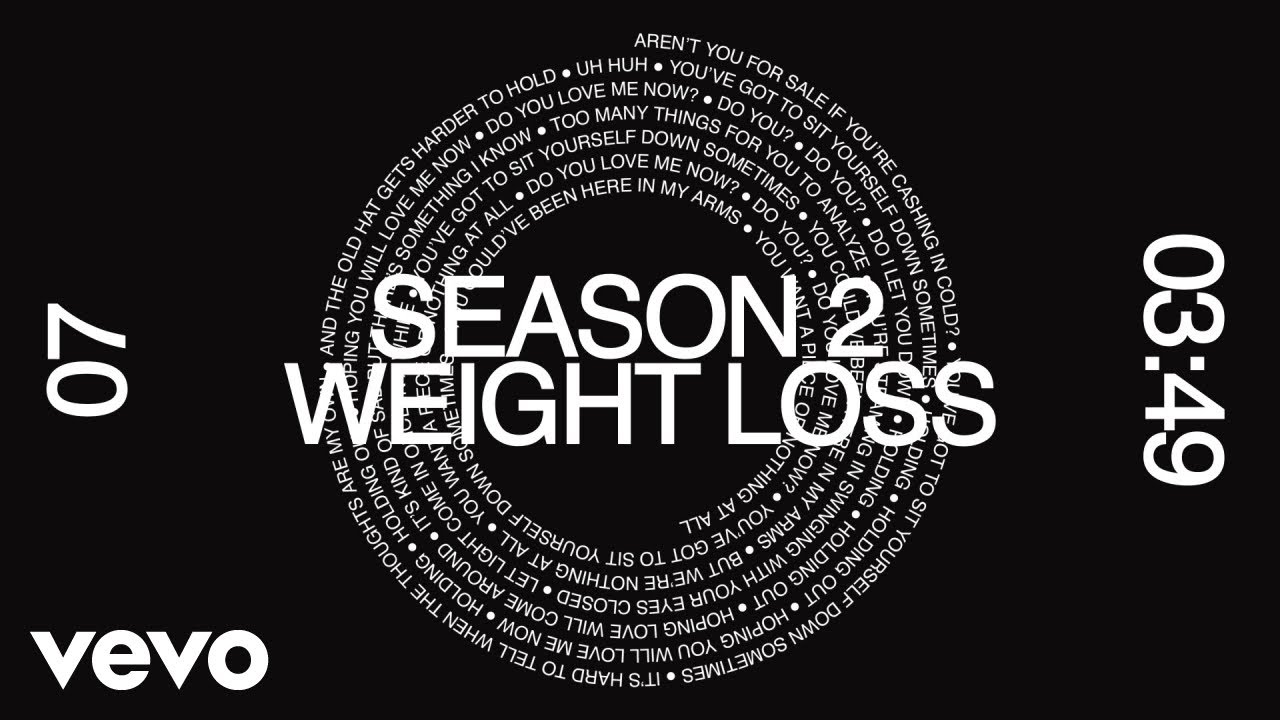
At the heart of "Season 2 Weight Loss" lies a vulnerable inquiry into acceptance and identity. The recurring refrain, "Holding, holding out / Hoping you will love me now," articulates a universal human desire to be seen and cherished for who we truly are, especially after a period of personal growth. Styles poses the poignant question: "Do you love me now? Do you? Do you? Do I let you down?" This isn't just about romantic love; it's a plea for acceptance from peers, fans, and even one's own internal critic.
Harry revealed that the song explores his reflections on returning from touring breaks, wondering if people would embrace him without the burden of their preconceived expectations. He shared an anecdote about growing a mustache during his time off, only to shave it before returning to the public eye. "There would be some feeling of like…this isn't the version of me that people expect," he mused. This small ritual became a tangible symbol of his struggle: "if I go away and grow and change my relationship with this idea of feeling like I have to show up as this version of myself, will you take me as that? Or are you taking me because I show up as this version of myself that you’ve kind of desired from me in some way?" This profound question resonates with anyone who has ever felt pressured to conform to an external image, highlighting the bravery it takes to redefine oneself and hope that genuine acceptance follows. For a deeper dive into this theme, read
Harry Styles' "Season 2 Weight Loss": Growth Beyond Public Expectation.
Navigating Self-Doubt and External Influence: "Is It Hard to Tell When the Thoughts Are My Own?"
Beyond the search for external validation, "Season 2 Weight Loss" delves into the complexities of maintaining self-awareness and authenticity in a world constantly shaping our perceptions. Styles poignantly asks, "Aren't you for sale if you're cashin' in cold? You've got to sit yourself down sometimes. It's hard to tell when the thoughts are my own." This speaks to the immense pressure, particularly for public figures, to commodify their image, leading to a blurring of lines between genuine self and marketable persona.
In our increasingly connected world, where social media often dictates trends and validation, distinguishing our true desires from external influences can be a significant challenge. We are bombarded with images of "perfect" lives and constant calls for self-improvement. It's easy to get caught up in an endless pursuit of an ideal that isn't truly our own. The lyric, "You've got to sit yourself down sometimes," offers crucial advice: the necessity of introspection. Stepping away from the noise – whether it's social media, professional demands, or the opinions of others – allows us to reconnect with our inner voice.
Practical Tips for Discerning Your Own Thoughts:
- Mindful Reflection: Dedicate time each day to quiet contemplation. Journaling can be an excellent tool for externalizing thoughts and identifying recurring patterns or feelings that are uniquely yours.
- Questioning Motivations: Before making a decision or adopting a new habit, ask yourself: "Why am I doing this? Is this truly what I want, or is it influenced by what others expect or what society dictates?"
- Setting Boundaries: Protect your mental space by limiting exposure to content or individuals that consistently make you doubt yourself or feel inadequate.
- Seeking Diverse Perspectives: While it's important to trust your own instincts, discussing your thoughts with trusted friends or mentors can offer valuable insights and help you process complex ideas, ultimately affirming your own conclusions.
Understanding the nuances of this self-inquiry is crucial to appreciating the full depth of the song. For more on this, check out
Harry Styles: Decoding the True Meaning of Season 2 Weight Loss.
Embracing Growth and Letting Light In
The song’s call to introspection and authenticity culminates in an appeal for openness and vulnerability. Styles observes, "It's kind of sad, but there's something I know. Too many things for you to analyse. You're steaming in, swinging with your eyes closed. Let light come in once in a while." This suggests that sometimes we tackle our personal growth with blind ambition or a closed mind, perhaps overwhelmed by self-critique or external pressures. The invitation to "Let light come in" is a powerful metaphor for allowing new perspectives, self-compassion, and genuine understanding to illuminate our path.
True **Season 2 Weight Loss** – the internal kind – involves shedding the emotional baggage of self-judgment, fear of inadequacy, and the need for constant external validation. It’s about daring to be vulnerable, to make mistakes, and to learn without the crushing weight of perfectionism. It’s about understanding that growth is a process, not a destination, and that true confidence comes from accepting and loving the evolving self.
Actionable Advice for Fostering Personal Growth and Self-Confidence:
- Embrace Imperfection: Understand that flaws are part of being human. Instead of striving for an unattainable ideal, focus on continuous improvement and celebrating small victories.
- Practice Self-Compassion: Treat yourself with the same kindness and understanding you would offer a friend. When facing setbacks, avoid harsh self-criticism.
- Define Your Values: Clearly identify what truly matters to you. Aligning your actions with your core values will lead to a more authentic and fulfilling life, boosting your self-assurance.
- Step Outside Your Comfort Zone: Growth happens when we challenge ourselves. Taking on new experiences, even small ones, builds resilience and proves to yourself what you are capable of.
- Celebrate Your Evolution: Acknowledge and appreciate how far you've come. Just like a "Season 2" character with newfound "cheekbones," recognize your own internal strength and development.
Conclusion
Harry Styles' "Season 2 Weight Loss" is a profound and relatable anthem for anyone on a journey of self-discovery and confidence-building. It cleverly redefines the concept of a "glow-up," shifting the focus from superficial changes to the deep, often challenging, work of internal transformation. Through his lyrics, Styles invites us to reflect on our own evolving identities, the pressures of external expectations, and the ultimate quest for authentic acceptance – both from others and, crucially, from ourselves. As we navigate our personal "Season 2," the song serves as a powerful reminder: true strength and enduring confidence come not from conforming, but from the courageous act of becoming the most genuine, evolved version of ourselves, and hoping that love, in all its forms, will indeed "come around."